How it works
This isn't a gym programme or a course of endless passive treatment. It's a clinical process that starts where you are and builds toward what's possible for your body.
01
Assess
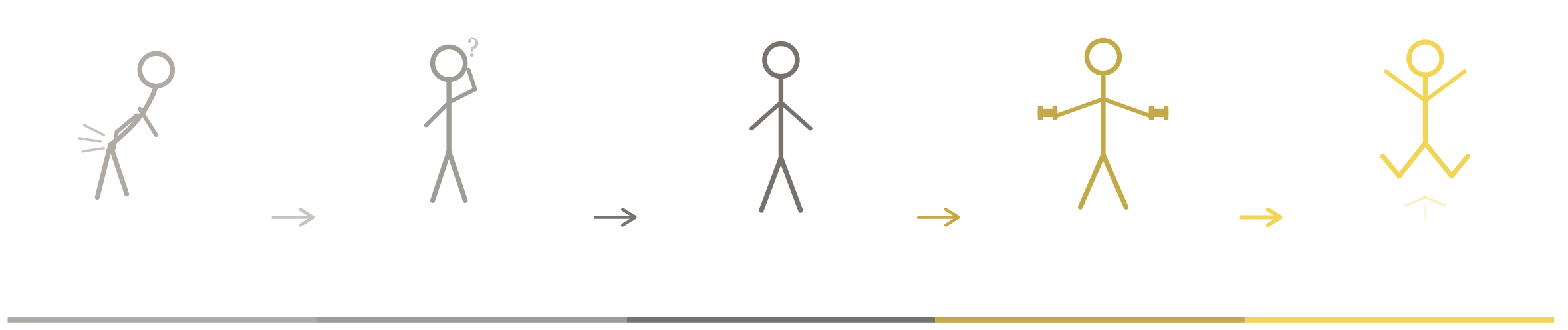
Based on your assessment, we explore movement together to develop a personalised plan around you, your goals, and your starting point.
This structured and supervised approach means we can progress at the right pace for you. You'll understand why we're doing what we're doing — because education is part of the process. This is collaborative to make sure you feel comfortable, safe and able to enjoy the process. Massage and manual therapy techniques can be part of this.
02
Explore
We start with a comprehensive clinical assessment — typically 60-75 minutes. I want to understand everything: your pain, your history, how it affects your daily life, what you've already tried, and what you want to get back to. This is the foundation everything else is built on. Most clients leave this session with a clearer understanding of their body than they've had in years.
Assessment can include functional testing, neurological examination, orthopaedic tests, mobility, strength and endurance testing.
Safety first! The assessment will look for any indications of any underlying conditions that require referral for further investigation. We need to make sure you’re safe to move.
03
Move
One-to-one sessions in a private studio near Towcester. No busy gym, no other people, no judgement. Just you, me, and a programme that progresses at your pace. Many clients come once or twice a week. Consistency is what produces results — and results are what build the confidence to keep going. Many clients describe this phase as the point where they stop thinking of their body as a problem and start thinking of it as fabulous and adaptive.
On your journey, we might help things along with massage, joint or nerve mobilisations, and other manual therapy techniques. Whatever helps the most getting you moving.
Flexible plans to suit you:
Train at my private studio fully supervised
Exercises at home or a gym you use
Whatever combination works for you!
Your Questions Answered
Still have questions? Take a look at these or reach out anytime. If you’re feeling ready, go ahead and book online.
Ready to start?
Want to talk?
-
Yes. In fact, this is exactly who I work best with. Starting from a low baseline means there's a lot of potential to build from. I've worked with people in their 70s who hadn't exercised in decades and seen remarkable results.
-
This is the most common concern and it's completely understandable. The short answer is: with the right approach, almost certainly not. The longer answer is what the initial assessment is for — understanding your specific situation so we can build a programme that works with your body, not against it.
-
There’s no upper age limit. I specialise in 60/70/80+ Getting stronger is highly recommended for older adults for healthy longevity and fall prevention.
-
It depends where you are in the process. The initial assessment involves a detailed conversation about your history, a physical assessment, and the beginning of your plan. Follow-up sessions are active — movement, exercise, and coaching — with ongoing education about what we're doing and why.
-
Initial assessment: £75. Follow-up sessions: £65.
-
Sports massage will be available as part of a wider programme where clinically appropriate. This can be for easing pain and helping with mobility.
You can also have a massage just because it feels great!
"I believe most people can become significantly stronger and more capable than they've been told. Pain and age have been used — often unintentionally — to make people afraid of their own bodies. We can overcome that"
Tristen Attenborough